


Every supplier says they test. The useful question is what gets tested, at which point, and what happens when something fails. This is the short version of how our line in Foshan works.
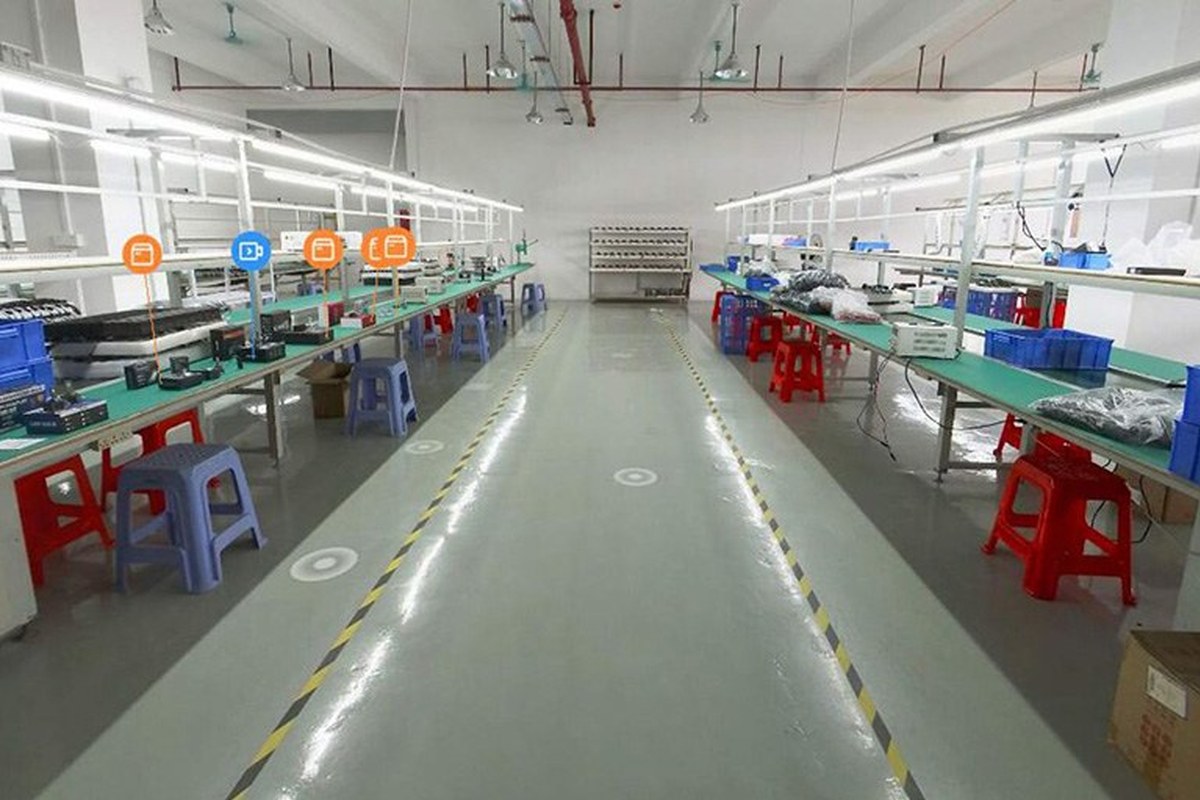
Assembly and testing area, Foshan
Gate one: incoming components
LED arrays, drivers and housings arrive from different suppliers, and most field failures trace back to one of them rather than to assembly. Each incoming lot is checked against the specification before it is released to the line – chip bin, driver output, and housing tolerance. A lot that fails is returned, not reworked into finished goods.
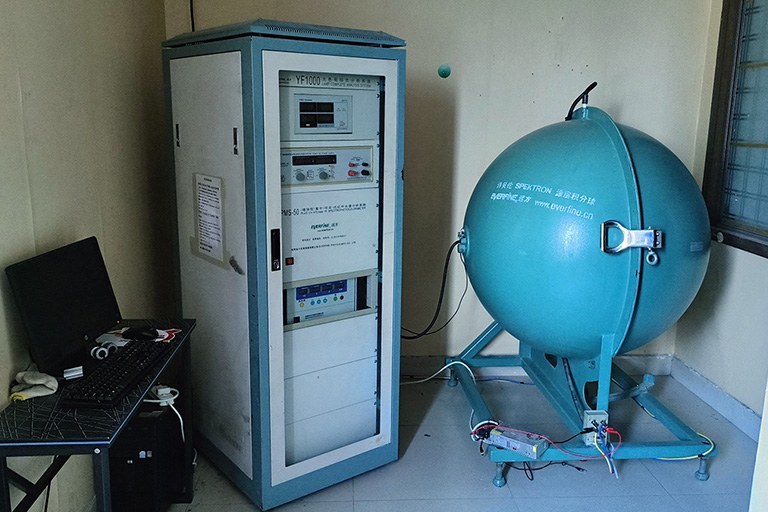
Assembly and inspection stations
Gate two: the ageing run
Finished lamps are switched on and run before packing. This is where a marginal driver or a cold solder joint shows up – problems that pass a one-second power test and fail in the customer’s hand three weeks later.
Gate three: light and seal
- Each unit is powered to confirm both beams and the fan.
- The lens and connector are checked for sealing, which is what the IP67 rating depends on.
- Units are packed with the driver protected and the connector capped.
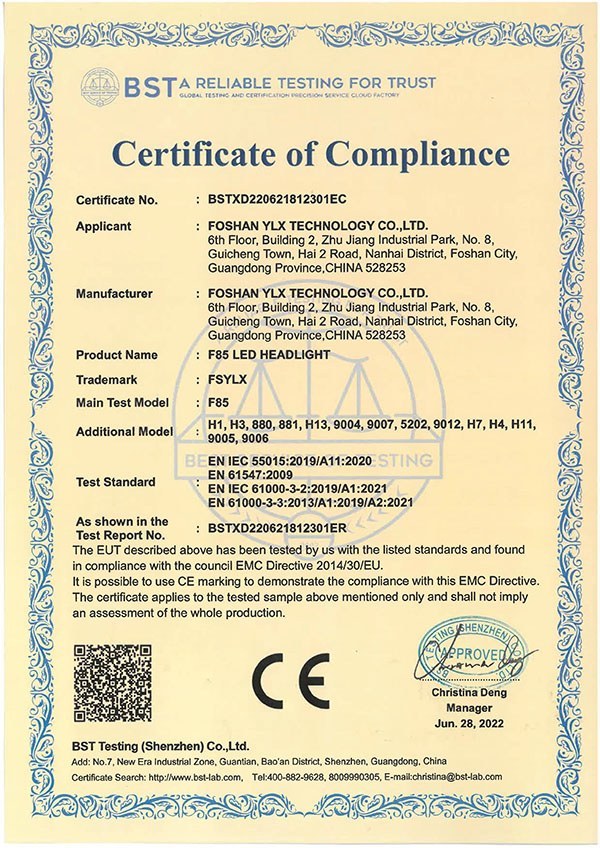
Certification files kept on site for buyer review
Why the number stays under 1%
Across finished goods, the defective rate is kept below 1%. That figure is not a marketing claim – it is the number our warranty process is built around. When a unit does fail, the warranty is direct replacement for 12 to 24 months, and defective units do not need to be shipped back, because the return freight usually costs more than the part.
What buyers can ask for
- Test records for a specific batch
- Photos of the ageing run before shipment
- Certification files – CE, RoHS and FCC documents are kept on site
None of this replaces an incoming inspection at the buyer’s warehouse, and we do not pretend it does. It does mean the first container should not be where the problems are discovered.
Post time: Oct-29-2026


